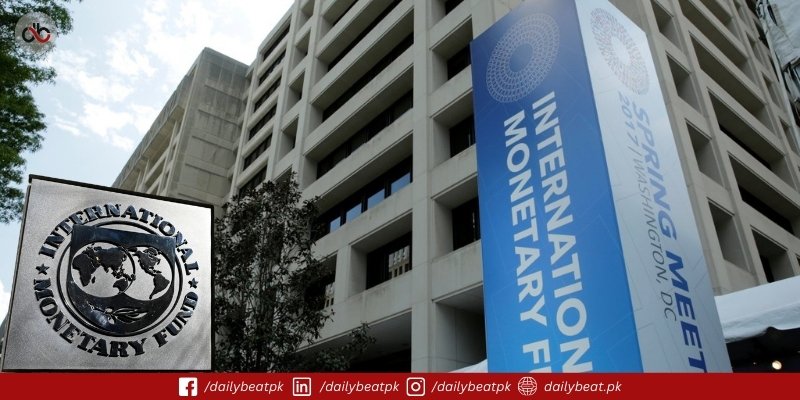
The International Monetary Fund (IMF) has urged Pakistan to expand disaster insurance to reduce financial losses caused by natural calamities. According to finance ministry sources, the Fund has recommended mandatory insurance coverage for all new development projects.
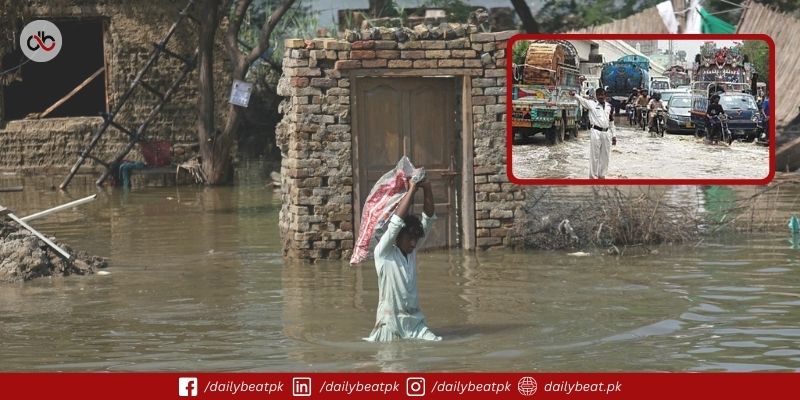
Currently, Pakistan’s insurance industry lags behind international standards. Despite a strong banking sector, the country’s insurance market has not grown enough to meet modern needs. As a result, many public projects and private assets remain uninsured against disasters. This lack of protection has led to billions in annual economic losses.
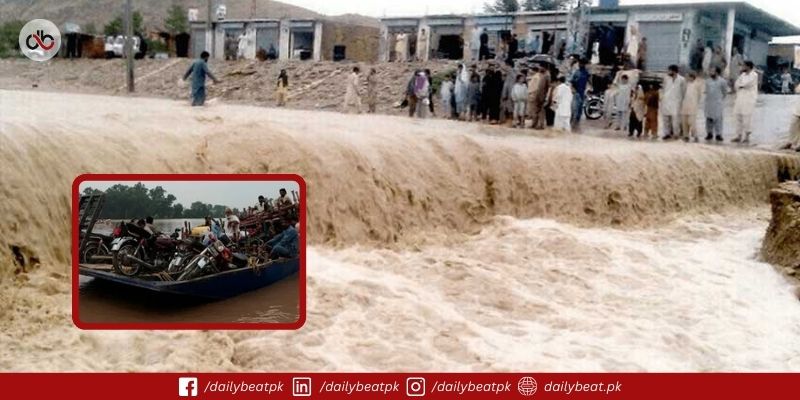
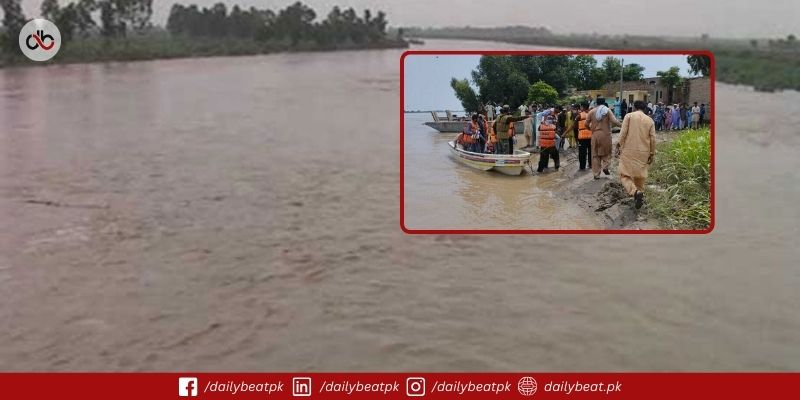
The IMF noted that without proper insurance, Pakistan faces repeated setbacks from floods, earthquakes, and other natural hazards. Introducing a stronger framework for disaster insurance could help the country manage financial shocks more effectively.
Experts say disaster insurance brings several benefits. It spreads the financial risk of calamities over time, making it easier for governments and households to absorb unexpected costs. Quick insurance payouts also speed up recovery, allowing businesses and communities to rebuild faster after major disasters.
Another advantage is reduced reliance on borrowing. Many developing countries face rising debt when forced to fund post-disaster recovery from their own budgets. Insurance cover provides an alternative source of funds, lowering the risk of debt crises.
Additionally, involving the private sector in disaster insurance creates incentives for risk reduction. Investments in resilient infrastructure, safer land use, and preventive measures become more attractive when financial systems reward risk management.
The IMF’s call highlights the urgent need for Pakistan to strengthen its disaster preparedness. With climate change increasing the frequency of extreme events, experts stress that insurance is no longer optional. Instead, it is becoming a critical tool for ensuring financial stability and sustainable recovery.
If adopted, the proposed insurance measures could protect billions in resources and safeguard the country’s economic future. The recommendation also aligns with global practices, where disaster insurance is a key part of climate resilience strategies.
For more details, read the full report on Pakistan to extend loan repayment for IMF compliance.