LAHORE – August 2025: Pakistan is in the grip of a devastating flood emergency that has claimed hundreds of lives and displaced millions. Relentless monsoon rains, flash floods, and glacial lake outbursts have combined to create one of the country’s worst natural disasters in recent decades.
Scale of the Crisis
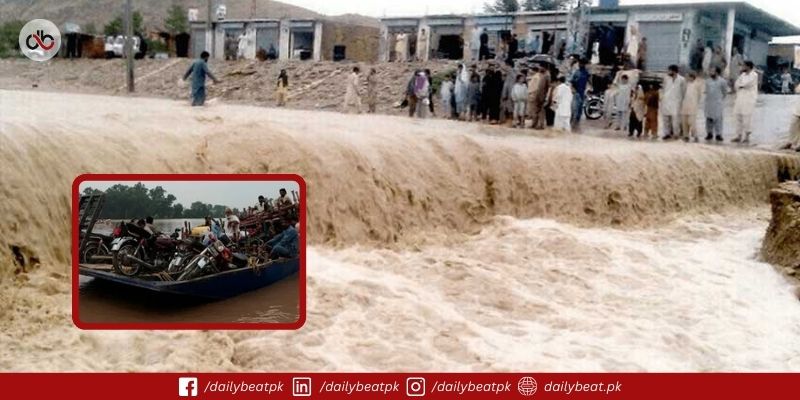
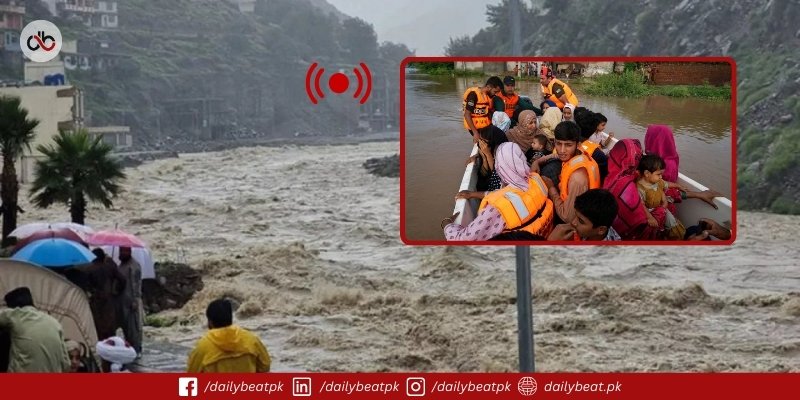
Since late June, heavy rains and overflowing rivers have battered Punjab, Khyber Pakhtunkhwa (KP), Sindh, Balochistan, and Gilgit-Baltistan. The National Disaster Management Authority (NDMA) confirms more than 800 deaths, with KP suffering the heaviest toll. Over 200 people died in Buner district alone.
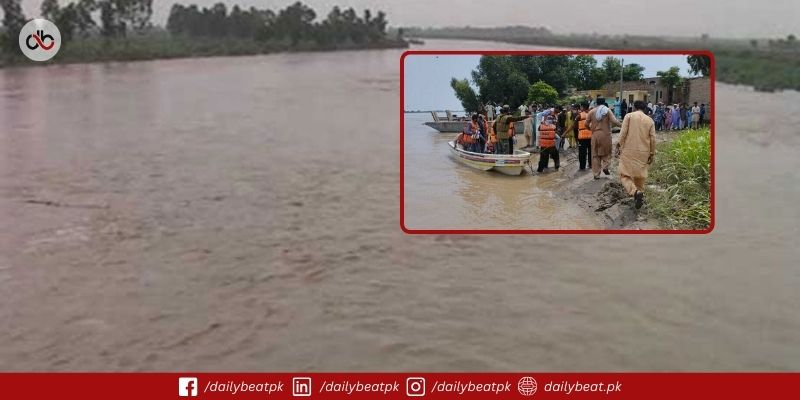
Punjab has seen its worst flooding in nearly 40 years, with more than 1 million residents evacuated. The Sutlej, Ravi, and Chenab rivers continue to overflow. In Kasur, the flow at Ganda Singh Wala crossed 385,000 cusecs, the highest level in three decades.
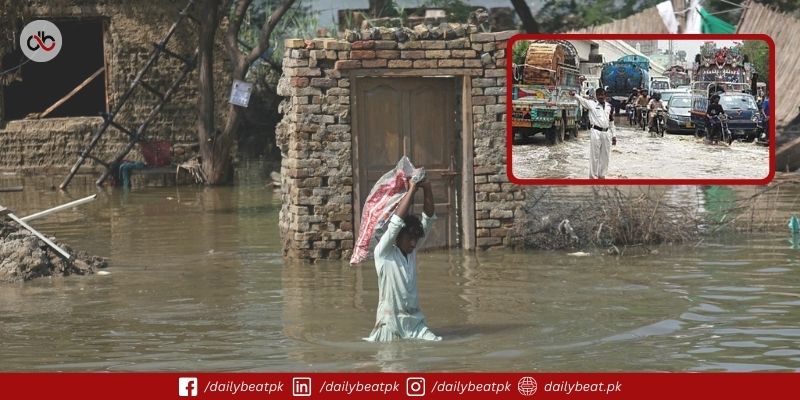
In Karachi, 163 mm of rain caused severe urban flooding, leaving at least 52 people dead. Drainage systems collapsed, paralyzing the country’s largest city. Meanwhile, Gilgit-Baltistan has been hit by glacial lake outbursts, killing over 50 people. A new 7-km-long lake in Ghizer district remains a major risk.
So far, 7,225 homes have been destroyed, crops and livestock have been wiped out, and infrastructure damage has left many villages cut off from aid. NDMA estimates 1.2 million people affected and 250,000 displaced, with over 300 relief camps set up across Punjab.
Causes Behind the Floods
Multiple factors have worsened the situation. Intense monsoon rains, accelerated glacial melting, and poor infrastructure have combined to push Pakistan into crisis. The Flood Forecasting Division continues to issue warnings of further rainfall in upper catchment areas.
Climate change has increased monsoon intensity by nearly 15%. Rising temperatures have triggered frequent glacial outbursts, such as the Ghizer incident earlier in August. Pakistan, though contributing less than 1% to global emissions, remains among the world’s most climate-vulnerable nations.
Cross-border tensions have added to the crisis. Pakistan accuses India of releasing excess water from Thein and Madhopur dams, worsening flooding in Punjab. Officials also point to the suspension of the Indus Waters Treaty as a contributing factor.
In addition, illegal constructions along riverbanks, weak urban planning, and reduced climate adaptation funding have made areas like Lahore and Karachi more vulnerable to disaster.
Economic Impact
The floods have caused severe economic losses, estimated to reach $50 billion. This surpasses even the destruction of the 2022 floods, which cost $30 billion.
Agricultural areas in Punjab and Sindh are among the hardest hit. Crops and livestock losses threaten food security across the country. Damaged roads, bridges, and trade routes are further disrupting supply chains.
Pakistan’s fragile economy faces added strain. Inflation remains high, the Pakistani Rupee is under pressure, and families relying on remittances are diverting funds to flood recovery. Critics argue that reduced climate funding and high defense spending weakened disaster preparedness.
Relief and Government Response
NDMA and local authorities have mobilized large-scale rescue operations. Over 24,000 people have been evacuated from floodplains using boats and helicopters. Relief camps are providing food, medicine, and temporary shelter. However, many families hesitate to leave their livestock behind, slowing evacuation efforts.
The government has appealed for international aid to address the scale of the crisis. Rescue teams, supported by the army and civil organizations, continue to reach stranded communities. Social media campaigns are urging donations to support relief efforts.
Climate Change and the Future
The Pakistan Floods 2025 crisis highlights the growing risks linked to climate change. Past disasters, including the 2010 and 2022 floods, affected millions and caused long-term economic setbacks. Experts stress the need for climate-resilient infrastructure, improved drainage systems, reforestation, and new water management projects.
With glacial melting and monsoon patterns worsening, regions like KP and Gilgit-Baltistan will remain vulnerable. Analysts warn that without stronger adaptation measures, flood in Pakistan today could become a recurring national emergency.
For the latest developments, people are relying on Pakistan flood news platforms and updated Pakistan flood map reports. Experts agree that a long-term, coordinated strategy is essential to protect communities and prevent future losses.
For more details, read the full story here: Punjab floods: 25 dead as rivers overflow villages.