The King of Thailand is one of the most respected figures in Southeast Asia. The Thai monarchy has existed for centuries and continues to play a major role in the nation’s identity. For people in the United States who want to understand Thailand, learning about the monarchy is important. The king is not only a political figure but also a cultural and spiritual symbol. Today, King Maha Vajiralongkorn (Rama X) holds this position, following his father, King Bhumibol Adulyadej, who was deeply loved by the Thai people.
In this article, we will explore the history of the monarchy, the responsibilities of the king, and why the position carries so much meaning in modern Thailand. We will also provide insights into how the monarchy shapes Thai society and global perceptions of the country.
A Brief History of the Thai Monarchy
Thailand, once known as Siam, has had kings for more than 700 years. The monarchy is one of the oldest continuous institutions in Asia. The current dynasty is the Chakri Dynasty, which began in 1782 with King Rama I. The kings of this dynasty are often referred to by their order, such as Rama IV or Rama IX.
One of the most famous kings was King Bhumibol Adulyadej (Rama IX). He ruled for 70 years, making him the longest-serving monarch in Thai history. His reign brought stability and development during a time of political and economic change. People in Thailand saw him not just as a king but as a father figure.
The present monarch, King Vajiralongkorn (Rama X), took the throne in 2016 after his father’s passing. While his style is different, his role as the symbolic leader of the nation remains.
Duties and Responsibilities of the King of Thailand
The King of Thailand has unique duties that are both political and cultural. While Thailand is a constitutional monarchy, the king still carries great influence.
1. Head of State
The king is the official head of state. Although Thailand has an elected government, the king represents unity and continuity. His presence ensures stability during times of change.
2. Protector of Religion
Thailand is a majority Buddhist country, and the king is expected to protect Buddhism. He often sponsors temple restoration and supports monks. This responsibility helps maintain the strong connection between religion and daily life.
3. Symbol of Unity
The king is a symbol that unites people across different regions and backgrounds. Thais show deep respect by standing for the royal anthem before movies or events.
4. National Ceremonies
From coronations to cultural festivals, the king’s role in ceremonies reminds people of their shared traditions. His presence reinforces national pride.
5. Influence Abroad
The king also serves as a representative of Thailand on the global stage. This includes diplomacy, cultural exchanges, and international recognition.
Why the King of Thailand Matters
The monarchy in Thailand is more than just politics. It represents the heart of Thai culture. For many, the king is a symbol of tradition, faith, and stability. Even when governments change or conflicts arise, the monarchy stands as a constant reminder of identity.
This importance is especially strong in rural areas, where respect for the king is deeply tied to local customs. Portraits of the king can be found in homes, businesses, and government offices across the country.
King Vajiralongkorn: The Current Monarch
King Vajiralongkorn, also known as Rama X, became king in 2016. He is the only son of King Bhumibol. His full title is King Maha Vajiralongkorn Bodindradebayavarangkun. Before becoming king, he served in the military and trained as a pilot.
He is currently recognized as the wealthiest sitting monarch in the world, with assets worth billions of dollars. Much of this wealth comes from the Crown Property Bureau, which manages royal investments.
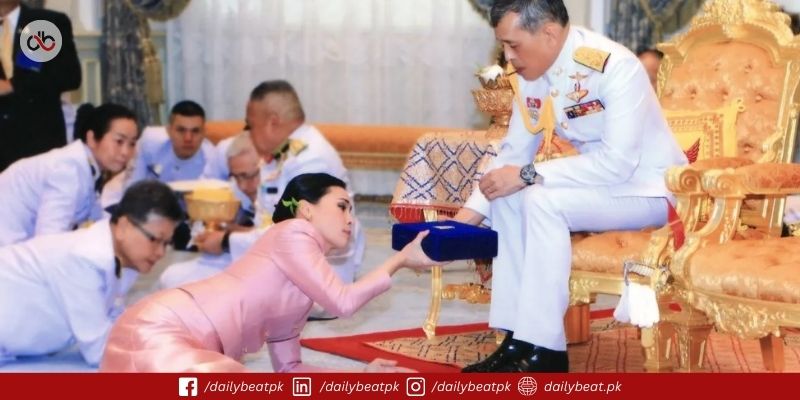
Unlike his father, King Vajiralongkorn is known for keeping a lower public profile. He spends much of his time outside Thailand but remains central to national identity. His coronation ceremony in 2019 followed ancient traditions, showcasing the deep connection between monarchy and religion.
Cultural Significance of the Monarchy
For people in the United States, it might be surprising how much influence the monarchy has on daily life. In Thailand, respect for the king is not just cultural but also legal. Strict laws protect the monarchy, and criticism can lead to punishment. This shows how deeply the monarchy is woven into the nation’s values.
The king also plays a role in arts, education, and public welfare. For example, past kings sponsored schools, irrigation projects, and music. These efforts helped shape Thailand into the country it is today.
The Monarchy and Modern Thailand
In the 21st century, the monarchy faces new challenges. Thailand has gone through many political changes, including protests and debates about democracy. Despite these issues, the king remains central to Thai life.
Young people in Thailand sometimes call for reforms, asking for a more transparent monarchy. Still, the institution continues to hold respect among most citizens. For many Thais, honoring the king means honoring their history and culture.
Global View of the King of Thailand
Internationally, the king represents Thailand’s unique identity. The monarchy attracts tourists who visit royal palaces and attend festivals. Americans interested in Thai culture often see the monarchy as a window into the country’s values.
King Vajiralongkorn’s immense wealth has also drawn global attention. Analysts often compare him to other monarchs, noting that his financial power makes him an unusual figure in modern times.
Insights and Analysis
While many countries have reduced the role of their monarchies, Thailand has kept its king at the center of society. This shows the balance between modern democracy and ancient traditions. The monarchy works as a cultural anchor. Without it, Thailand might face greater challenges in maintaining unity.
It is also worth noting how much personal respect Thais show toward their monarchs. Unlike in many Western countries, where monarchs are seen as symbolic, in Thailand the king represents moral authority. This difference explains why the monarchy has lasted so long.
Conclusion
The King of Thailand is not just a ruler but also a guardian of culture, faith, and unity. From the days of King Rama I to today’s King Vajiralongkorn, the monarchy has shaped the nation’s past and present. For Americans, learning about the Thai king offers insight into how tradition and modern politics can work together. As Thailand moves into the future, the monarchy will continue to play a vital role. Whether in religion, culture, or diplomacy, the king remains the heart of Thailand’s identity.