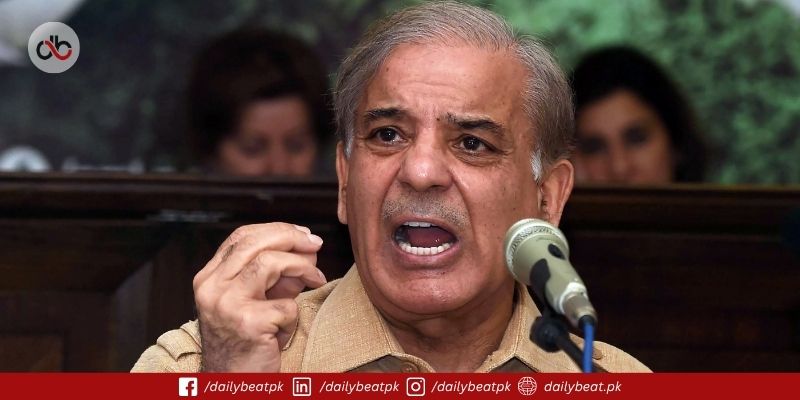
Prime Minister Shehbaz Sharif visited Gilgit-Baltistan (GB) on Monday to chair a high-level meeting on the recent monsoon damages. The visit aimed to assess flood destruction, meet with regional leadership, and distribute relief funds to affected families.
The premier was received at Gilgit Airport by Governor Syed Mehdi Shah, Chief Minister Gulbar Khan, and other senior officials. This one-day visit comes amid widespread destruction caused by torrential rains, flash floods, and cloudbursts across GB.
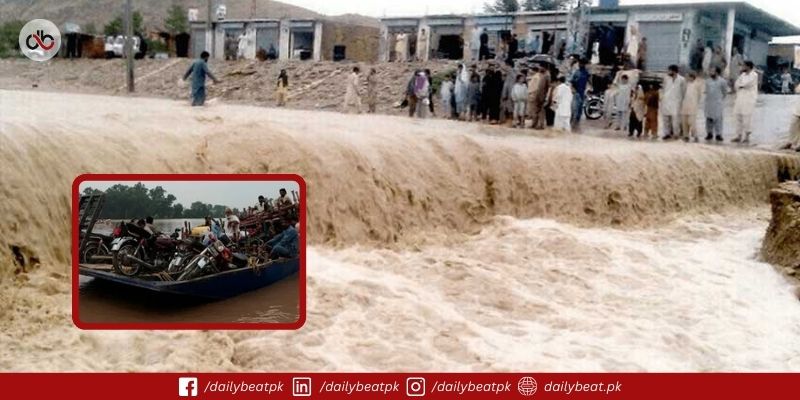
Since late June, Gilgit-Baltistan has faced intense monsoon rains. Deadly floods struck the Babusar area on July 21, leading to landslides and damaged infrastructure. So far, 10 people, mainly tourists, have died, while up to 15 others remain missing.
In his address during the meeting, Prime Minister Shehbaz Sharif called the destruction in Diamer and nearby areas “deeply unfortunate.” He offered condolences to families who lost loved ones and prayed for the swift recovery of those injured.
He also acknowledged the growing impact of climate change in Pakistan, especially in regions like GB. “Pakistan contributes little to global emissions but is among the 10 most climate-vulnerable countries,” he noted.
The prime minister praised federal agencies for their coordinated response to the crisis. He highlighted the role of the National Disaster Management Authority (NDMA), Ministry of Climate Change, and other departments in relief and rehabilitation operations.
Communication Minister Abdul Aleem Khan, Information Minister Attaullah Tarar, Climate Change Minister Dr Musadik Malik, and others accompanied the PM during the visit. They also participated in briefings and met with local officials.
Governor Mehdi Shah updated the prime minister on ongoing recovery efforts, damages, and law and order. He called the visit a “hopeful gesture” for the people of GB. Chief Minister Gulbar Khan also briefed the premier about emergency needs and pending development projects.
According to GB government spokesperson Faizullah Faraq, the region has suffered over Rs20 billion in damages due to recent floods. He emphasized that federal support is crucial. “The people of GB see the federal government’s cooperation as oxygen during this crisis,” he said.
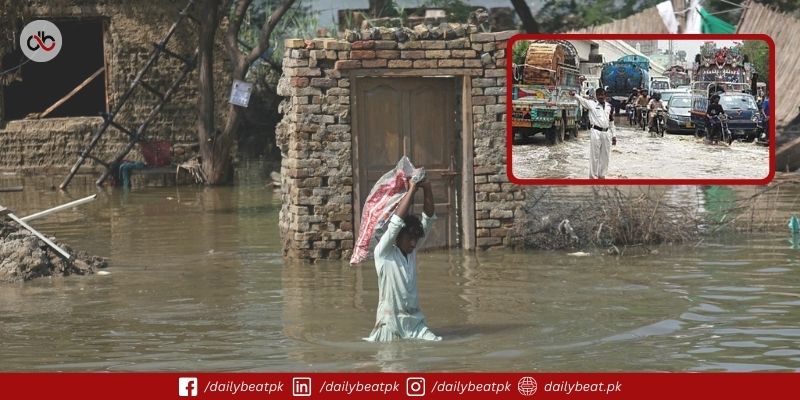
Earlier, CM Gulbar had appealed for Rs7 billion in emergency funds to address the widespread destruction. Many residents have lost their homes, livestock, and access to basic infrastructure.
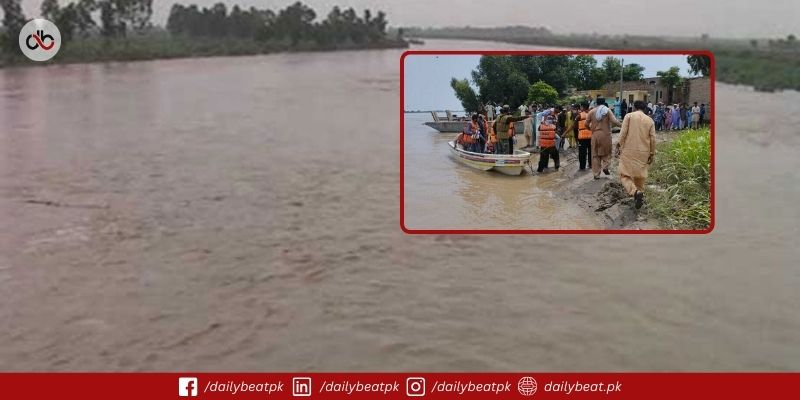
Rescue operations are ongoing. Recently, five family members trapped by a flood in Ghizer District were safely rescued. However, dangers remain. A glacier burst in Bagrot Valley last week, killing a 12-year-old boy and leaving others missing.
The NDMA reports that since late June, at least 299 people have died across Pakistan due to monsoon-related incidents. These include 140 children and over 700 injured individuals. Over 1,600 homes have been damaged or destroyed nationwide.
To support displaced families, the NDMA has distributed nearly 13,000 essential items, including tents, food packs, hygiene kits, and de-watering pumps.
PM Shehbaz reiterated his commitment to long-term solutions. He directed the Ministry of Climate Change to work on climate-resilient infrastructure, especially in vulnerable areas. “We must act now to reduce future damage,” he stressed.
He announced plans to lay the foundation stone for a Daanish School in GB once the weather stabilizes. He also mentioned his direct involvement in a solar power project approved by the Central Development Working Party (CDWP), which is expected to gain further approval from ECNEC.
“The federal government stands by Gilgit-Baltistan,” said PM Shehbaz. “We will ensure every effort is made to support recovery and development.”
The Pakistan Meteorological Department has issued a new alert for glacial lake outburst floods (GLOFs), flash floods, and landslides in GB and Khyber Pakhtunkhwa. Rain, wind, and thunderstorms are expected to continue in the region until Thursday.
As climate change continues to impact Pakistan, especially in northern regions, government officials have stressed the urgent need for international support and domestic resilience planning.