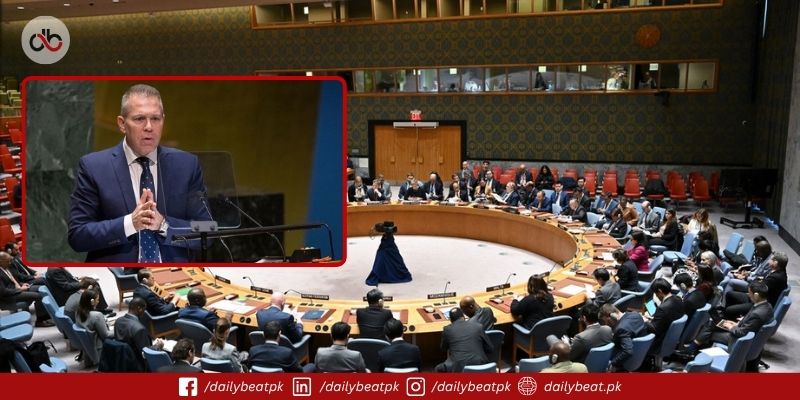
The United Nations Security Council will meet this Tuesday to discuss the worsening situation of hostages held in Gaza, according to Israel’s UN ambassador, Danny Danon. The announcement comes amid growing outrage over disturbing images of Israeli captives and mounting concerns about a deepening humanitarian crisis in the war-torn region.
Ambassador Danon said on social media on Sunday that the Council would “meet this coming Tuesday for a special emergency session on the terrible situation of the hostages in Gaza.” His post followed the release of videos by Palestinian groups showing two Israeli hostages appearing extremely thin and weak.
These videos, shared by Hamas and Islamic Jihad, feature hostages Rom Braslavski and Evyatar David. Both men were among those taken during the October 7, 2023, attacks on Israel that sparked the current war. Their frail condition has intensified public pressure within Israel for a ceasefire and a new hostage release agreement.
The videos also highlight the worsening humanitarian situation in Gaza. UN-mandated experts have warned that “a famine is unfolding” in the territory. The UN and aid agencies say access to food and medical supplies remains severely limited due to tight Israeli restrictions.
Aid convoys allowed into Gaza often face looting or diversion amid ongoing chaos. As a result, many Palestinians must risk their lives to reach limited and usually unsafe aid distribution points.
Earlier on Sunday, Israeli Prime Minister Benjamin Netanyahu asked the International Committee of the Red Cross (ICRC) to help deliver food to the hostages. This request seeks to ensure that captives receive the necessary humanitarian support even as the broader population struggles with food shortages.
In response, Hamas stated it would consider allowing Red Cross access to the hostages but only if Israel opens “humanitarian corridors” throughout Gaza. The group’s military wing, the Al-Qassam Brigades, said they are not intentionally starving the captives. However, they added that no one in Gaza should receive special food privileges during what they described as “the crime of starvation and siege.”
The hostage crisis and the worsening living conditions in Gaza are adding new layers of tension to the ongoing conflict. International observers have accused Israel of limiting the flow of essential aid into the region. Israel maintains that it is acting to ensure security and prevent materials from reaching militant groups.
Meanwhile, humanitarian organizations are urging all parties to prioritize civilian welfare and abide by international humanitarian law. They emphasize that both hostages and ordinary civilians must be protected, and that more aid is urgently needed to avoid a full-scale famine.
The upcoming Security Council session is expected to bring global attention to the fate of the hostages and the broader crisis in Gaza. While the Council has discussed the Israel-Gaza conflict multiple times since October, this emergency meeting will specifically focus on the issue of captives and the humanitarian challenges they face.
Whether the meeting will lead to concrete actions remains to be seen. Still, many hope it will pave the way for increased humanitarian access, protection for civilians, and progress toward a possible hostage release deal.